Frozen Storage Explained: The 2026 Guide to Zero-Loss Cold Chains
Frozen storage is where the toughest logistics challenges meet the highest stakes. A single warm hour can turn a container of premium seafood into a total write-off, and a broken freezer can wipe out an entire season’s stock overnight. Yet when frozen storage runs well, it becomes almost invisible, quietly preserving quality from production line to plate.
This 2026 guide unpacks how modern frozen storage actually works, clears up common myths, and shows how businesses across Saudi Arabia keep losses close to zero. Whether you handle food, pharmaceuticals, or industrial goods, the principles here will sharpen how you think about deep cold.
What Frozen Storage Really Does
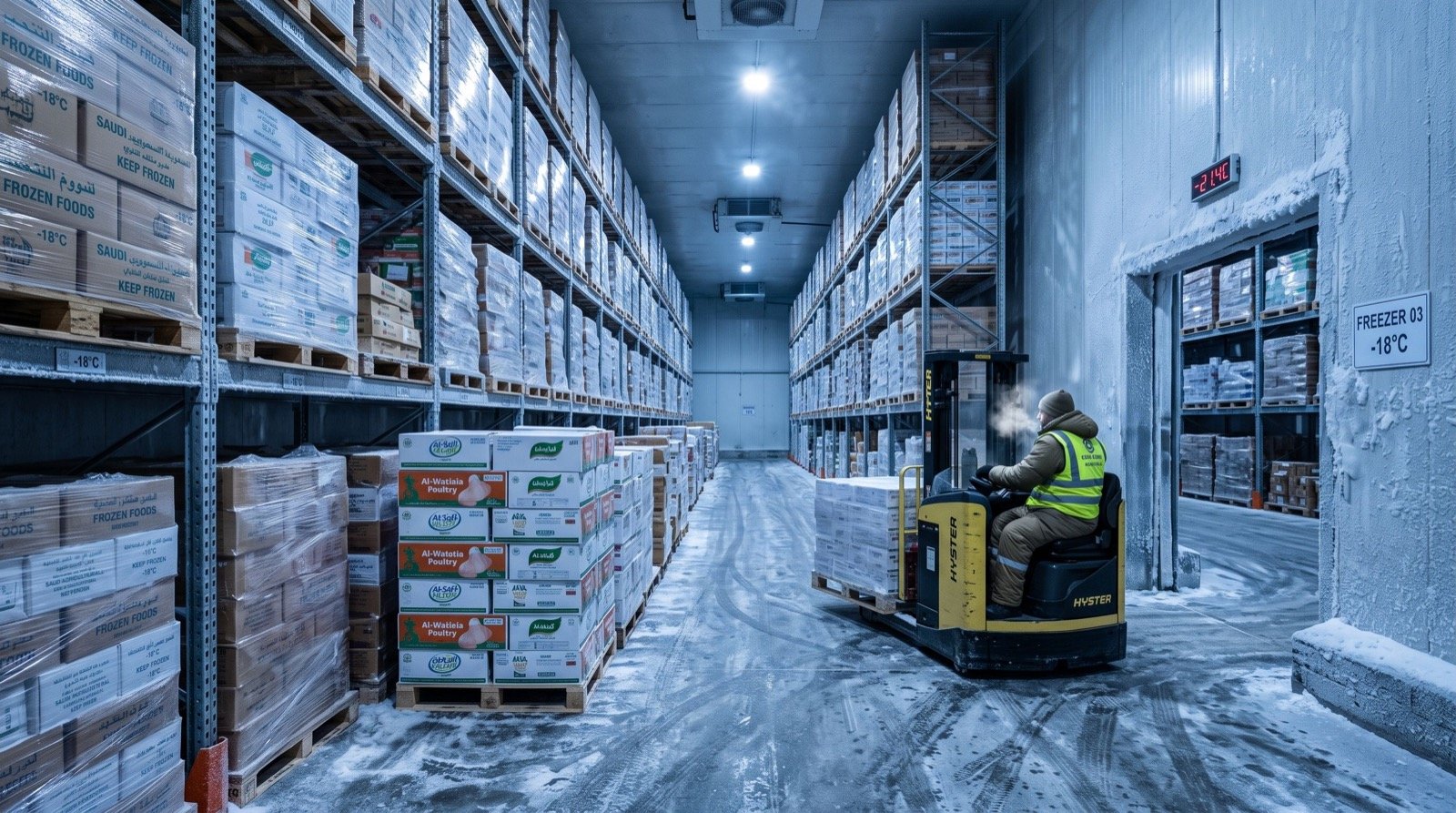
Frozen storage holds goods at or below -18°C, the temperature at which microbial activity effectively stops. At this point, spoilage does not merely slow down; it halts. That is why frozen goods can last months or even years without losing safety.
But freezing is not simply “very cold.” The speed of freezing, the stability of the temperature, and the quality of packaging all shape the final result. Slow freezing forms large ice crystals that rupture cell walls, while rapid freezing preserves texture. Professional Frozen Storage facilities engineer for that precision rather than leaving it to chance.
Myth-Busting: What People Get Wrong About Freezing
Plenty of costly decisions come from freezer folklore. Let us clear up the biggest misunderstandings before they drain your budget.
- Myth: Frozen food lasts forever. Safety may hold, but quality fades. Freezer burn and texture loss creep in without proper packaging.
- Myth: Colder is always better. Going well below -18°C wastes energy for marginal benefit on most products.
- Myth: Refreezing is harmless. Each thaw-refreeze cycle degrades quality and raises contamination risk.
- Myth: Any freezer will do. Domestic units cannot hold industrial volumes at stable temperatures.
Why Is Temperature Stability So Important?
Stability matters even more than reaching a low number. A freezer swinging between -22°C and -12°C damages goods more than one holding steady at -18°C. Each fluctuation melts and refreezes surface moisture, driving freezer burn and crystal growth.
The U.S. Department of Agriculture’s food safety research confirms that constant sub-zero temperatures preserve both safety and quality, while fluctuations accelerate deterioration. This is why continuous monitoring and rapid backup power sit at the heart of any serious facility.
Beyond Food: Industrial Frozen and Specialised Storage
Frozen storage is not only about groceries. Pharmaceuticals, biological samples, and certain industrial materials also demand deep cold. At the same time, warehouses that master temperature control often extend into precision-managed dry space for sensitive equipment.
For example, businesses that maintain machinery frequently pair cold facilities with dedicated Storage for Spare Parts, keeping critical components organised, traceable, and protected from corrosion. The same operational discipline that guards frozen seafood also protects a shelf of high-value replacement parts.
Frozen Storage Temperature Reference
Different frozen goods have different sweet spots. Use this table to align your storage strategy with the products you handle.
| Product | Recommended Temperature | Typical Shelf Life |
|---|---|---|
| Fish and seafood | -18°C to -25°C | 6 to 12 months |
| Red meat and poultry | -18°C | 8 to 12 months |
| Ice cream and desserts | -23°C to -28°C | 3 to 6 months |
| Frozen vegetables | -18°C | 10 to 12 months |
Building a Zero-Loss Frozen Operation
Zero loss is an ambitious goal, but the best facilities get remarkably close. It starts with design and ends with daily habits. Every detail, from dock seals to alarm response times, either protects your stock or exposes it.
Follow this sequence to build resilience into your frozen operation:
- Install redundant refrigeration so one unit failing never stops the chain.
- Deploy real-time sensors with instant alerts to on-call staff.
- Use insulated, enclosed loading docks to prevent warm-air intrusion.
- Train handlers to move goods quickly during transfers.
- Log every temperature reading for audits and traceability.
Executing these steps well usually means partnering with an experienced local team that understands regional climate challenges and regulatory expectations, rather than piecing together an operation from scratch.
Energy Efficiency in the Freezer
Frozen storage is energy-intensive, and in 2026 efficiency is both an environmental and financial priority. Smart facilities recover heat, use high-quality insulation, and schedule door openings to minimise cold loss.
These savings add up fast. A well-insulated, well-managed freezer can run significantly cheaper than a neglected one holding the same volume, which is why efficiency belongs in every procurement conversation.
Packaging: The Overlooked Hero of Frozen Storage
Even the finest freezer cannot save badly packaged goods. Packaging is the barrier between your product and the dry, cold air that causes freezer burn. Get it right, and shelf life stretches; get it wrong, and quality suffers no matter how cold the room.
The best practices are simple but easy to skip. Remove excess air, use moisture-resistant materials, and seal tightly. Vacuum sealing works especially well for high-value items such as premium cuts of meat and fish, where texture and appearance drive the price.
Labelling matters just as much. Clear date codes and product names let staff rotate stock accurately and trace batches instantly during an audit. A frozen warehouse without disciplined labelling is a warehouse waiting for a costly mistake.
Handling and Transfer Without Breaking the Chain
Most frozen losses happen during movement, not storage. The moment goods leave the chamber for a dock or truck, they enter the danger zone. Speed and preparation are the only reliable defences.
Stage transfers so trucks are ready before pallets leave the freezer, and use refrigerated vehicles that are pre-cooled rather than switched on at the last minute. Every avoided minute of exposure protects both quality and compliance, and it keeps your zero-loss goal within reach.
Frequently Asked Questions
What is the standard temperature for frozen storage?
The global benchmark is -18°C or lower. Some products, such as ice cream and certain seafood, benefit from even colder settings, but -18°C safely halts microbial growth for most goods.
How long can food stay in frozen storage?
Safety can last indefinitely at a stable -18°C, but quality declines over time. Most products stay at peak quality for six to twelve months, depending on type and packaging.
What causes freezer burn?
Freezer burn happens when moisture escapes from food surfaces due to poor packaging or temperature swings. Airtight wrapping and stable temperatures are the best defences against it.
Is frozen storage only for food?
No. Pharmaceuticals, laboratory samples, and some industrial materials also require deep cold. Many providers also offer specialised space for sensitive equipment and spare parts alongside frozen chambers.
The Bottom Line
Frozen storage rewards precision. In 2026, the businesses that treat temperature stability, redundancy, and efficiency as non-negotiable are the ones that keep losses near zero and reputations intact. Understand the science, ignore the myths, and choose partners who engineer for reliability. Do that, and deep cold becomes one of your strongest competitive assets rather than your biggest risk.